
The Dirty Side of Clean: 5 Carcinogens in Cleaning Products
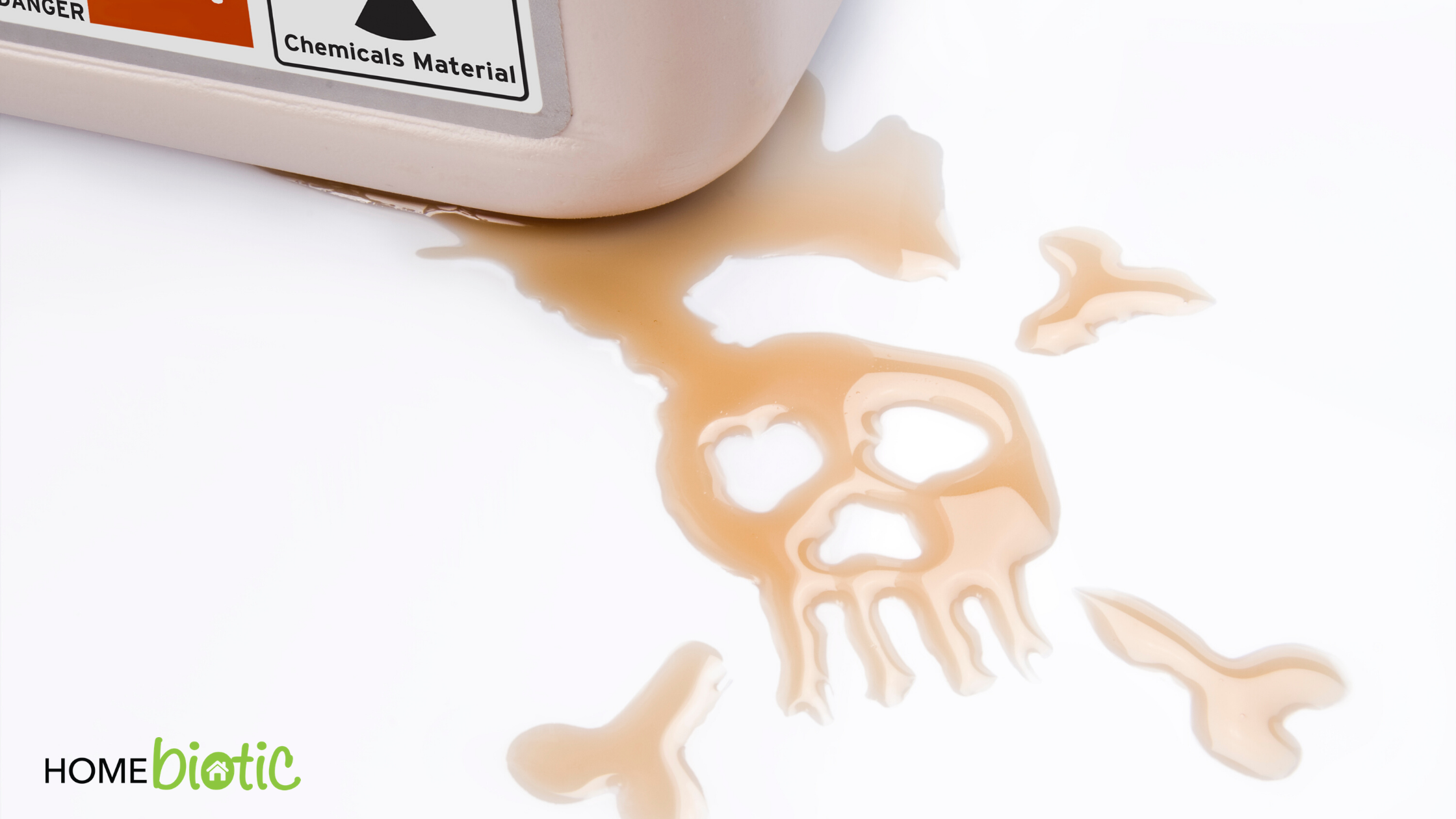
Modern cleaning practices lead us to believe a spotless, disinfected home void of any sort of bacteria is the pinnacle of health standards. But what if we told you some of the ingredients in your cleaning products had the potential to seriously harm you and your family? Common household cleaners are not as ‘clean’ as they imply, they are often laden with toxic ingredients, some of which are labeled as carcinogens. Carcinogens are agents that have the potential to cause cancer in living tissue. We are going to dive into 5 carcinogens in cleaning products, showing you the dirty side of clean:
 Phthalates
Typically Found In: Household products with added fragrance. The family of phthalates is found in a variety of man-made products from vinyl flooring to water bottles and has the potential to leech harmful toxins.
Why They’re Bad: In addition to being found in cleaning products the phthalate family of chemicals is found in personal products such as cosmetics and hair products, and in a large amount of PVC plastic products. These chemicals have been linked to liver and kidney disorders, and reproductive health problems:
“Recent studies also show that prenatal exposure to phthalates is associated with adverse impacts on neurodevelopment, including lower IQ, and problems with attention and hyperactivity,
and poorer social communication.”
Unfortunately, a large number of medical devices required for treatments contain significant amounts of phthalates and it is assumed that many people getting serious medical treatment can be exposed to harmful amounts of the chemical via leeching from medical products.
Unfortunately, a large number of medical devices required for treatments contain significant amounts of phthalates and it is assumed that many people getting serious medical treatment can be exposed to harmful amounts of the chemical… Share on XIn addition to singular exposures, according to studies the risks from phthalates are cumulative, meaning the toxicity builds up over time, making its harmful effects much more lasting. They are also considered endocrine disruptors, linking their exposure to a variety of cancers.
 Chlorine
Typically Found In: Toilet cleaners, laundry ‘brighteners’, and soap scum/mildew removers.
Why They’re Bad: At room temperature chlorine is a gas to it is typically processed and pressurized to be used in cleaning solutions. Chlorine is harmful whether it comes into contact with skin or mucus membranes, but can cause serious damage to the lungs if inhaled:
Other symptoms can be faster onset than pulmonary edema (fluid in the lungs), alerting you to potential serious exposure, such as dry cough and blurred vision. In addition to being extremely harmful to humans, chlorine is extremely detrimental to the environment. When washed into our waterways it can contaminate fish and other living organisms, leading to potentially harmful exposure to chlorine via ingestion by entering the food chain.
In addition to being extremely harmful to humans, chlorine is extremely detrimental to the environment. When washed into our waterways it can contaminate fish and other living organisms, leading to potentially harmful exposure to… Share on XWhile in its liquid form there is no evidence to support that chlorine causes cancer; however, when inhaled as a gas it can seriously aggravate existing respiratory conditions and is linked to many respiratory complications – including cancer.
 Percholoethelyne
Typically Found in: Carpet cleaning solutions and stain removing/spot treatments.
Why They’re Bad: Percholoethelyne, commonly called perc, is a staple in dry cleaning and carpet cleaning practices. It is favored because of its ability to remove grease, wax, and oil from fabrics. It is also capable of binding to a variety of materials making is a popular ingredient in paint removers, water repellants, and polishes. Although much of the population comes into relatively low amounts of exposure to perc, high exposure has a variety of serious consequences:
The USDA made a ruling as of December 21st that any dry cleaning business operating in a residential building was no longer allowed to utilize machines using perc due to the risk to the building’s occupants. Aside from dry cleaners, perc is extremely common in automotive products and spot treatments – so don’t forget to read the ingredient list! Other names for perc include tetrachloroethene or PCE.
But is it a carcinogen? Yes! The International Agency for Research on Cancer has labeled perc as a Group 2A carcinogen, which means that it is most likely carcinogenic to humans. Similarly, the EPA has classified perchloroethylene as likely to be carcinogenic in humans by all routes of exposure (EPA 2012a).
The International Agency for Research on Cancer has labeled perc as a Group 2A carcinogen, which means that it is most likely carcinogenic to humans. Similarly, the EPA has classified perchloroethylene as likely to be carcinogenic in… Share on X Ammonia
Typically Found In: Metal polishes for things like silverware and jewelry. Also in bathroom/kitchen fixture and stainless steel cleaners.
Why They’re Bad: Because ammonia is used across a variety of industries it is one of the most widely produced chemicals in the United States. Ammonia is also produced naturally from the decomposition of organic matter, including plants, animals, and animal wastes. While much of the ammonia produced is used for the agriculture industry for fertilizer production, it is present commonly in household cleansers and products. These products are often liquids containing about 5-10% ammonia solution which produces a highly irritating, suffocating odor. Many people are harmed simply through improper ventilation while using ammonia:
While much of the ammonia produced is used for the agriculture industry for fertilizer production, it is present commonly in household cleansers and products. These products are often liquids containing about 5-10% ammonia solution… Share on XAnhydrous ammonia gas is lighter than air and will rise, so that generally it dissipates and does not settle in low-lying areas. However, in the presence of moisture (such as high relative humidity), the liquefied anhydrous ammonia gas forms vapors that are heavier than air. These vapors may spread along the ground or into low-lying areas with poor airflow where people may become exposed.”
While ammonia alone has not been linked to any specific types of cancer, it is important that ammonia not be mixed with other chemicals, especially bleach! Mixing ammonia and bleach produce gases that are suspected to cause respiratory cancer in addition to being toxic enough in high concentrations to kill you.
 Triclosan
Typically Found In: Hand soaps labeled ‘Antibacterial’ and often in dishwashing detergent
Why They’re Bad: Studies performed on animals showed that when exposed to high levels of triclosan, even in short term, reduced the level of thyroid hormones. According to the FDA:
In addition to showing signs of disrupting thyroid hormones, it is also thought to contribute to the development of bacteria and microbes resistant to antibiotics. This very reason is why we do not recommend cleaning mold with bleach or ‘antibacterial’ cleansers. Instead, try using hydrogen peroxide to clean and sanitize surfaces. Although little is still known about this chemical ongoing studies are investigating the potential of developing skin cancer after long-term exposure to triclosan in animals.
In addition to showing signs of disrupting thyroid hormones, it is also thought to contribute to the development of bacteria and microbes resistant to antibiotics. This very reason is why we do not recommend cleaning mold with bleach or… Share on XCONCLUSION
Many of us do not think twice about reading cleaning ingredients because our first instinct is to grab the one that works! Consider trying to find a more natural, non-toxic alternative for some of your everyday cleaning products to limit your exposure to these harmful substances. Opting for hydrogen peroxide or vinegar in place of things like carpet spot cleaners or mold removers will do wonders for the health of your home, and prevent harm to the environment as well!
RESOURCES
- https://experiencelife.com/article/8-hidden-toxins-whats-lurking-in-your-cleaning-products/
- https://www.ecocenter.org/healthy-stuff/reports/phthalates-products-disclosure-data-2016
- https://www.fda.gov/consumers/consumer-updates/5-things-know-about-triclosan
- https://www.health.ny.gov/environmental/emergency/chemical_terrorism/ammonia_tech.htm
- https://www.chemicalsafetyfacts.org/perchloroethylene/#:~:text=Perchloroethylene%2C%20also%20known%20as%20perc,cleaning%20fabrics%20and%20degreasing%20metals.
- https://noharm-uscanada.org/issues/us-canada/phthalates-and-dehp#:~:text=Phthalates%2C%20a%20family%20of%20industrial,%2C%20lungs%2C%20and%20reproductive%20system.
- https://emergency.cdc.gov/agent/chlorine/basics/facts.asp


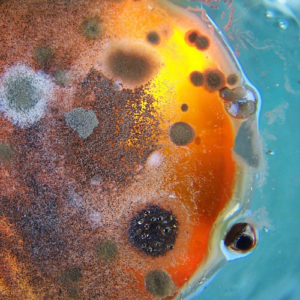

 1) MOLD ILLNESS, OR CIRS, IS NOT JUST CAUSED BY MOLD
 2) CIRS IS ACTUALLY A COMMON HEALTH ISSUE
 3) CIRS IS OFTEN MISDIAGNOSED
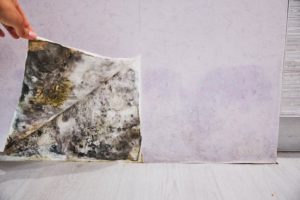 4) FIRST STEP IN TREATING MOLD ILLNESS (CIRS) IS MOLD REMEDIATION
 5) TREATING MOLD ILLNESS (CIRS) IS MORE THAN JUST REMOVING MOLD

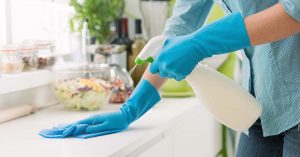 Choosing The Right Cleaning Supplies Will Decrease The Death of Healthy Microbes
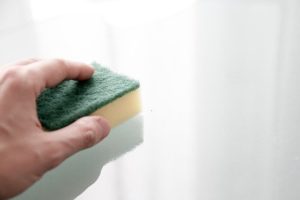 Less Cleaning Will Enhance The Growth & Health of Your Home Microbiome
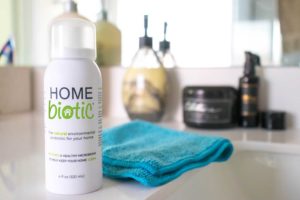 Adding More Soil-Based Microbes Acts Like a Probiotic
 Undoubtedly, in the past several months, there’s been a steady stream of antibacterial and alcohol-based soaps being marketed to the general public. And while these have great success in killing and washing viruses from our hands, we need to consider how often and where to use them.
 Why Should We Avoid Over-Cleaning Our Skin?
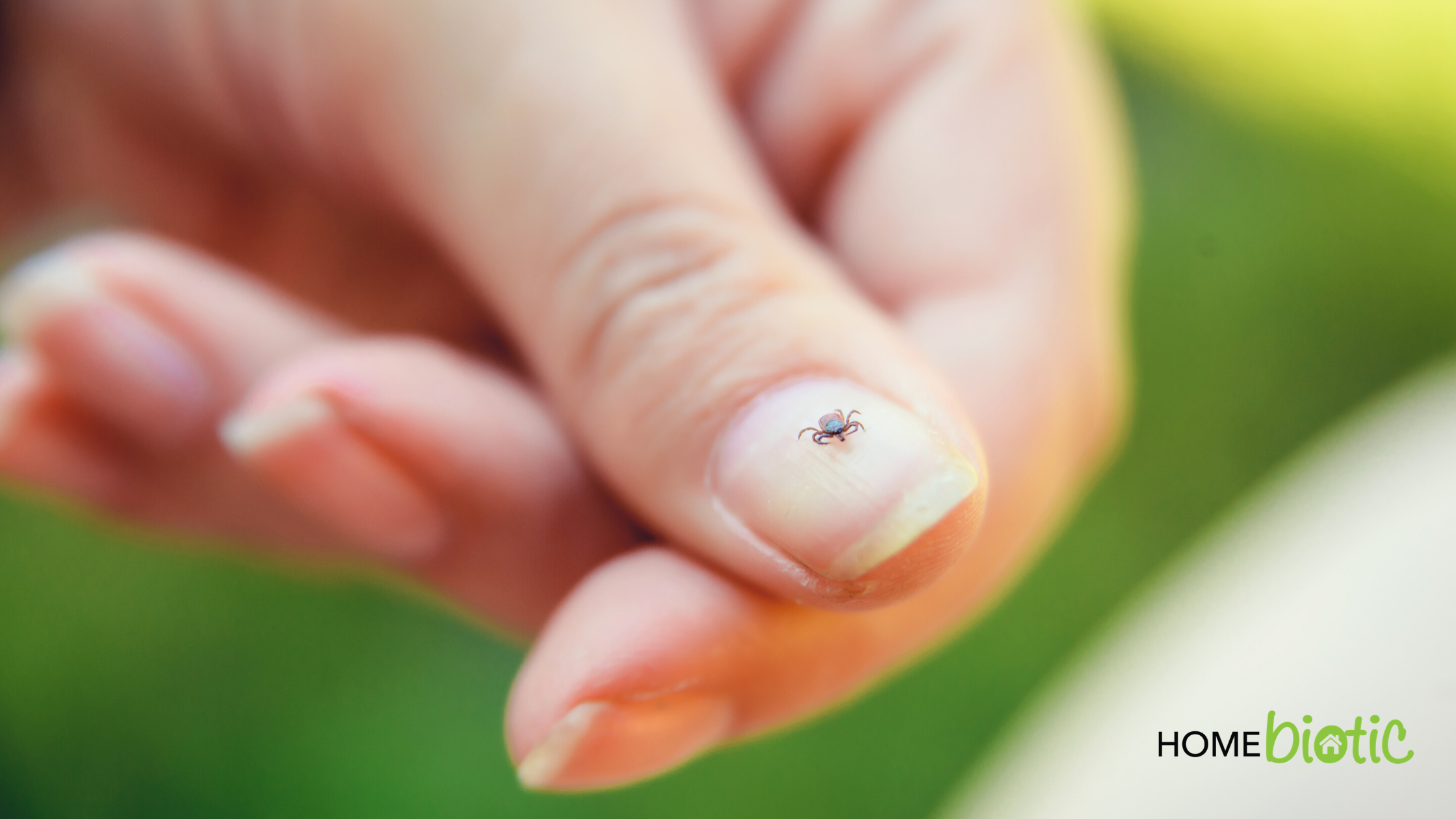

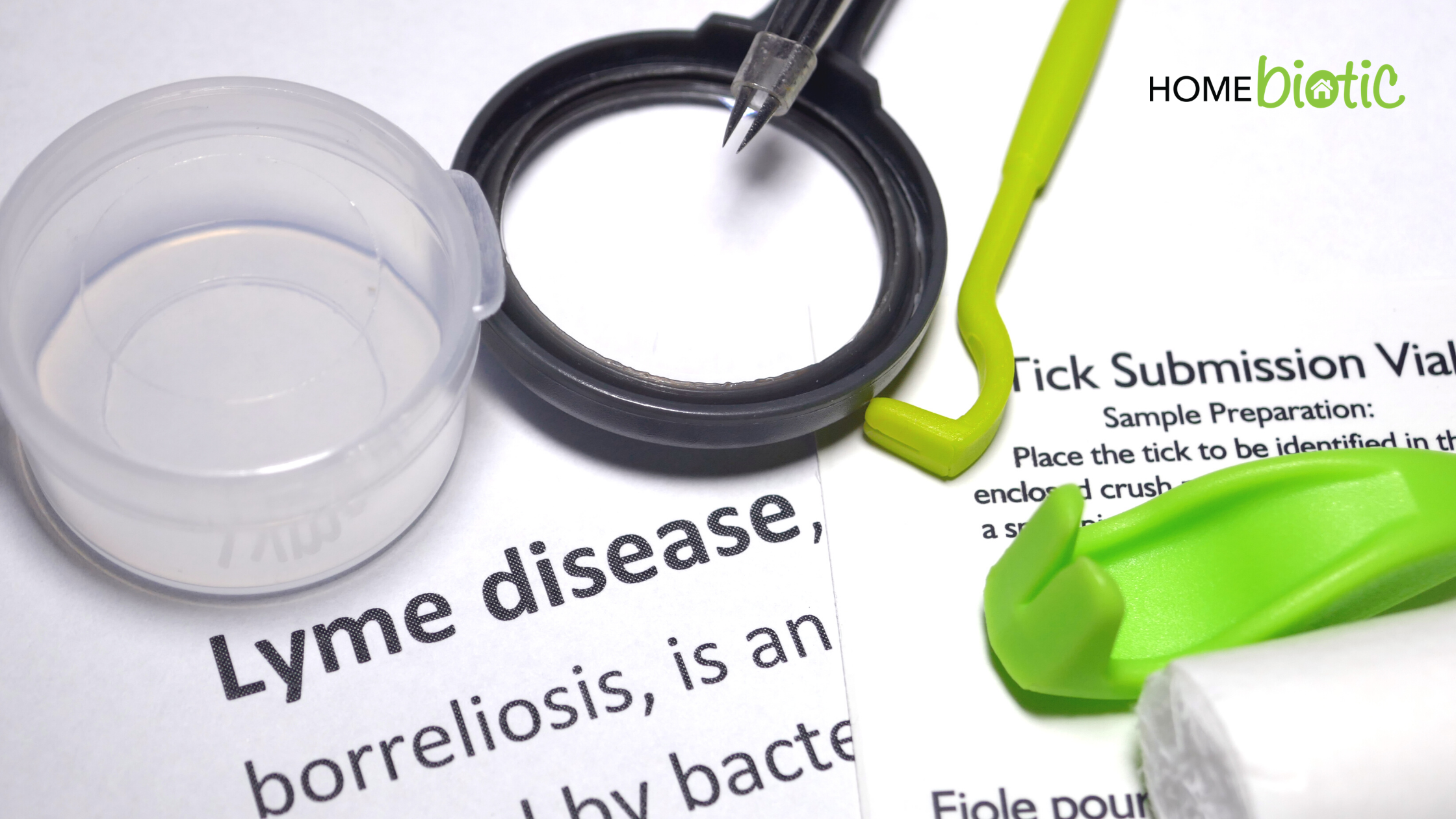
 How Lyme Disease Affects the Human Body
 The Connection Between Mold & Lyme Disease
 In the past decade, the importance of a healthy gut biome has been discussed between scientists, medical professionals, and health consumers. By now, most people know that bacteria reside in our guts and that they’re essential to our health. These bacteria are, together, what create the biome. However, many people still don’t understand why having diverse bacteria is important. More importantly, most people don’t understand the similarities and relationship between our home biome and the gut biome. We need the biome in our guts and our homes to be healthy and diverse at the same time.
 What is The Gut Biome?
 What is The Home Biome?
 How Are The Gut & Home Biome Related?


 HOW DOES THE “FARM EFFECT” WORK?
 WHY DO I WANT TO REPLICATE THE “FARM EFFECT” IN MY HOME?
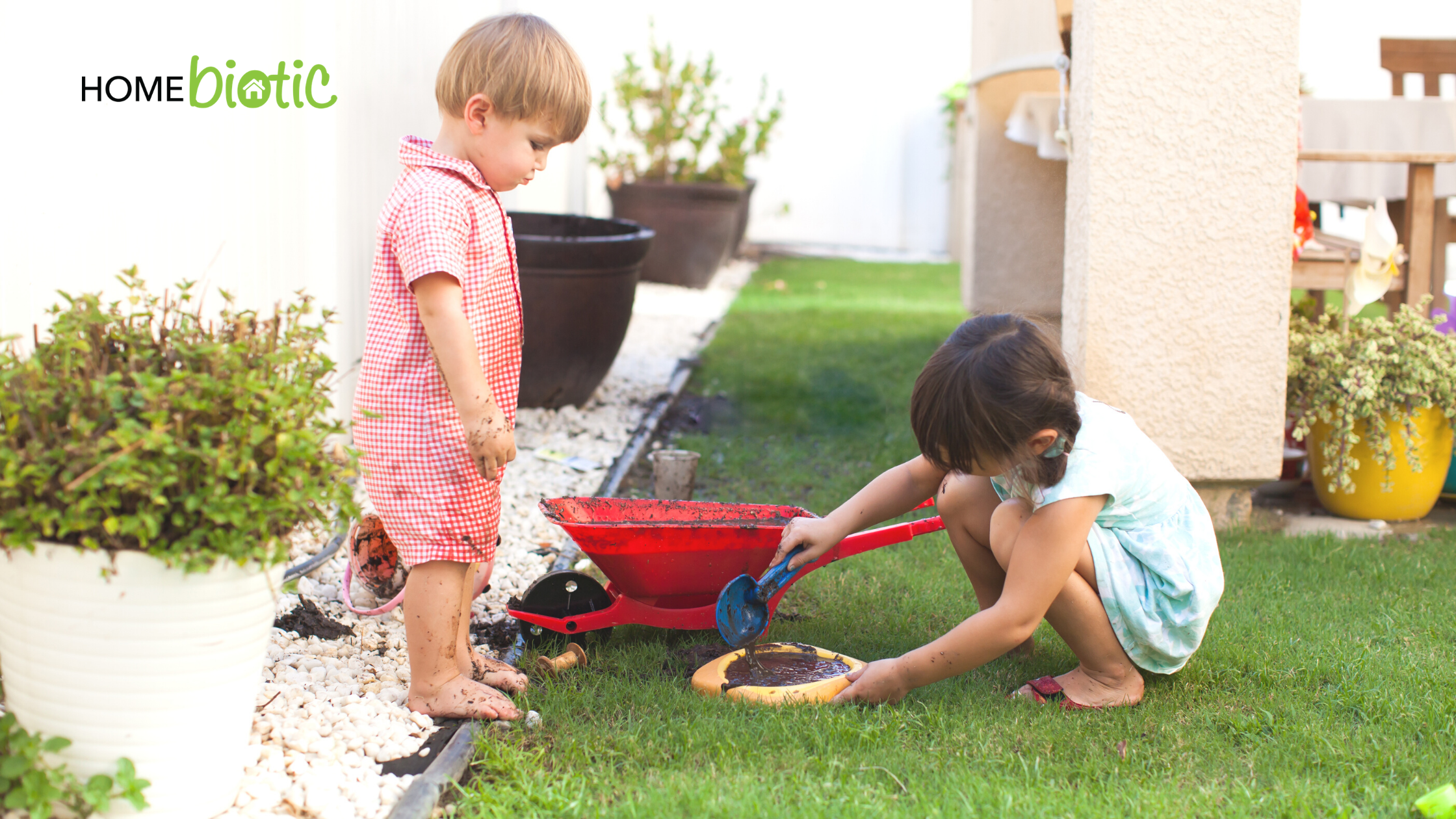
 Next, we need to bring in more soil-based microbes, and there are a few ways that are not only fun but easy.
 WHAT IS HEALTHY DIRT?
 Balance is essential because a microbiome that lacks balance will have microbes that have either decreased in numbers or and have over-grown. An unbalanced microbiome is called dysbiosis and can cause a range of health or environmental issues5,6.
 CONCLUSION